How to Clean and Care for Custom Doormats So They Last
Custom doormats last longest when you remove grit often, clean gently with water and mild soap, dry them fully and store them flat or loosely rolled. Get Custom Doormats offers coir, rubber backed, logo inlay, full color photo, scraper and absorbent styles, and each needs slightly different care. This guide covers cleaning, drying, placement and when to replace.
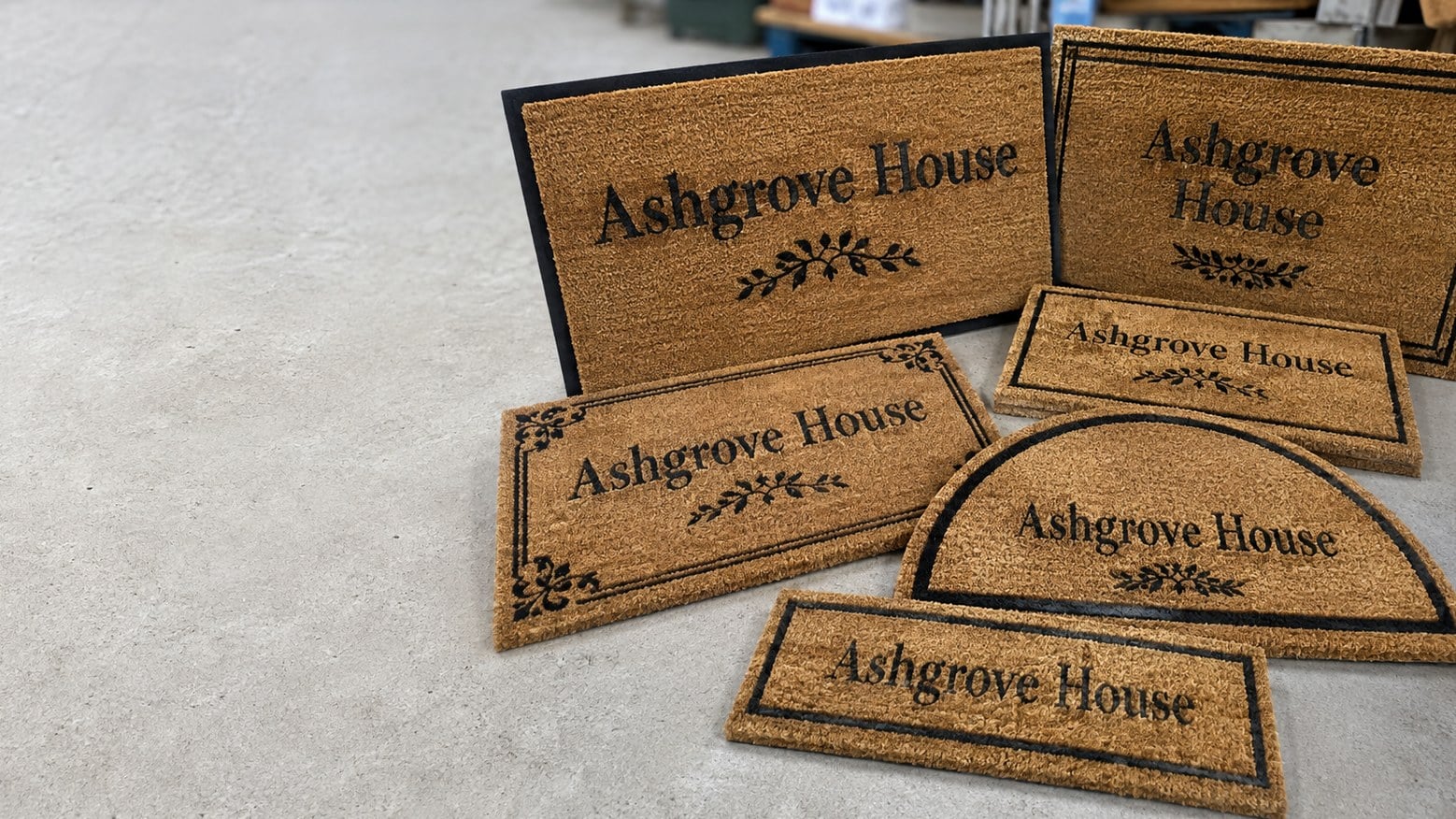
- Remove loose grit weekly, or daily at busy doors, to protect the design
- Rinse rubber backed and scraper mats gently; brush coir doormats dry
- Never fold mats or store them damp
- Replacement mats can reuse your approved artwork, with a free mockup within 24 hours
How do you clean custom doormats without damaging the logo?
The safest way to clean custom doormats is to shake or vacuum them often, rinse them with plain water when needed, and let them dry completely before they go back down. Gentle routine care keeps the logo crisp far longer than an occasional hard scrub. Get Custom Doormats builds every mat to be walked on daily, but the cleaning method still decides how sharp the design looks after a busy season.
Dirt that sits in the fibers acts like sandpaper. Every step grinds grit against the printed or inlaid design, and that is what dulls colors over time. Removing loose debris weekly, or daily at a busy entrance, does more for longevity than any deep clean.
- Shake or beat the mat outdoors to drop loose grit.
- Vacuum both directions with a beater bar off or set high for printed faces.
- Spot clean spills with mild soap and a soft brush, working with the pile rather than against it.
- Rinse with a garden hose on a gentle spray when the whole mat needs refreshing.
- Dry flat or hung with air flowing on both sides before putting it back.
Skip bleach, solvent cleaners and pressure washers on the face of any branded mat. Harsh chemicals can fade dyes and a pressure washer can lift fibers around the edges of a logo.
Which doormat material is easiest to maintain?
Rubber backed doormats and outdoor scraper mats are generally the easiest to maintain, because they shrug off water and can be hosed clean. Indoor absorbent mats need more frequent vacuuming and full drying, while coir doormats prefer dry care and occasional shaking. The right choice depends on how much upkeep the person responsible for the entrance can realistically give.
| Mat style | Routine care | Deep clean | Watch out for |
|---|---|---|---|
| Outdoor scraper mats | Sweep or shake | Hose rinse, air dry | Packed mud in the grooves |
| Indoor absorbent mats | Vacuum often | Gentle rinse, dry fully | Damp backing left on hard floors |
| Rubber backed doormats | Vacuum or shake | Hose rinse both sides | Folding, which can crease the backing |
| Coir doormats | Shake or beat outdoors | Brush when dry | Standing water and soaking |
| Logo inlay doormats | Vacuum with the pile | Spot clean, gentle rinse | Stiff brushes on inlay seams |
| Full color photo doormats | Vacuum lightly | Mild soap spot clean | Harsh chemicals on the print |
If you want low maintenance at a front door that sees rain, pair an outdoor scraper mat outside with a rubber backed mat inside. The scraper catches the heavy grit, so the branded inner mat stays cleaner for longer.
How should coir doormats be cared for?
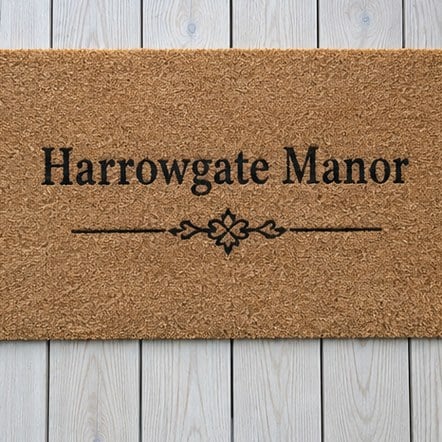
Coir doormats last longest when they are kept mostly dry, shaken out often and brushed rather than washed. Coir is a natural fiber from coconut husks, so its stiff bristles scrape shoes beautifully but do not enjoy being soaked. A covered porch or a spot under an awning is the ideal home for a custom coir doormat.
Some shedding is normal when a coir doormat is new. Loose fibers work their way out during the first weeks of use, then settle down. Shaking the mat a few times in that first stretch clears them quickly.
- Beat the mat against a railing or wall to release deep dirt.
- Use a stiff dry brush to lift dried mud, then shake again.
- If a coir mat gets soaked, stand it on its edge somewhere airy until fully dry.
- Avoid placing coir where water pools, since constant moisture shortens fiber life.
For entrances exposed to driving rain, a rubber backed doormat or outdoor scraper mat is often the better branded option, with coir saved for sheltered doors where its natural look shines.
How do you keep printed and inlaid logos looking sharp?
Printed and inlaid logos stay sharp when the mat is kept free of grit, cleaned with the pile instead of against it, and rotated so one spot does not take every footstep. Full color photo doormats and logo inlay doormats are built for traffic, yet both reward gentle, regular care over occasional aggressive scrubbing.
On full color photo doormats, the image sits in the surface fibers, so abrasion from trapped sand is the main enemy. Light vacuuming several times a week keeps the colors bright. On logo inlay doormats, the design is built from separate pieces of colored material, so the main thing to protect is the seam between colors. Soft brushes and gentle rinsing keep those seams tight.
Rotate high-traffic mats
People tend to step on the same patch of a mat every time. Turning a mat end to end every few weeks spreads the wear, as long as the design reads correctly from both directions or the mat is symmetrical. Where the logo has a clear top, swap in a second identical mat instead and clean the first.
Good artwork choices help too. Bold shapes and strong contrast hold up visually even after a long season of foot traffic, which is why the Get Custom Doormats mockup stage is a good moment to simplify fine details.
How do you dry and store doormats between seasons?
Doormats should be fully dry, clean and stored flat or loosely rolled with the face out before they go into a closet or storage room. Folding and storing damp are the two habits that shorten mat life the most. A few minutes of preparation means a seasonal or event doormat comes back out looking new.
- Clean the mat and let it dry completely on both sides.
- Lay it flat, or roll it loosely with the printed face on the outside to avoid creasing the design.
- Keep it off concrete floors that can wick moisture, ideally on a shelf.
- Avoid stacking heavy items on top of rolled mats.
- Label each mat by entrance or event so the right one comes out next time.
Rubber backed doormats in particular should never be folded sharply, because creases in the backing can cause the mat to curl at the corners. If a mat arrives or comes out of storage with a slight curl, laying it flat at room temperature usually lets it relax.
Where should a custom doormat be placed to make it last longer?
A custom doormat lasts longer when it sits on a clean, dry, flat surface, out of standing water, with a scraper mat taking the first hit of grit outside. Placement decides how hard a mat works. The same doormat can look fresh for many months at a sheltered door and tired within weeks in a puddle.
- Use a two-mat system. An outdoor scraper mat outside and an indoor absorbent mat inside split the work of removing dirt and water.
- Keep drainage clear. Outdoor mats should not sit in a dip where rain collects.
- Check the floor underneath. Sweep and dry the floor under indoor mats regularly so grit is not ground into the backing.
- Mind direct sun. Mats in strong all-day sun may fade over time, so sheltered spots help bright full color designs.
For businesses, a staff entrance or loading door often takes heavier abuse than the front lobby. Those zones benefit most from durable outdoor scraper mats, while the guest-facing entrance carries the most polished branded design.
When is it time to replace a custom doormat?
Replace a custom doormat when the logo has visibly faded, the edges are curling or fraying, the backing no longer grips the floor, or the mat stays damp and smells after drying. A worn mat at the door sends the opposite message from the one the branding was meant to send, and a mat that slides or curls is no longer doing its job.
A quick monthly check is enough for most entrances. Look at the mat from where a visitor would first see it, then flip a corner to inspect the backing. If you notice wear at one door well before the others, the placement or cleaning routine at that door probably needs attention.
Reordering is simple when the original artwork is on file. Get Custom Doormats can reuse an approved design, return a fresh mockup within 24 hours if you want to update anything, and produce replacements in about 2 weeks, with faster turnaround available through express shipping. Many buyers keep a spare set so the swap happens before the old mat looks tired.
What should you ask before ordering doormats that need to last?
Before ordering, ask which mat style suits each door’s exposure, how the design will be applied, and what care the mat needs. Matching the material to the entrance up front prevents most durability problems. Get Custom Doormats walks through these choices during quoting, so you can describe your doors and get a recommendation along with the free mockup.
- Is the entrance covered, exposed to rain, or indoors only?
- How much daily foot traffic does the door see?
- Who will clean the mat, and how often?
- Does the design need a clear top, or can the mat be rotated?
- Will the mat be stored between seasons or events?
The minimum order is 12, and styles can be mixed across entrances. You pay nothing until you approve the design, and revisions are unlimited and free, so there is time to adjust a logo for durability before production starts. Start with the custom doormat quote form or read how it works.
Frequently asked questions
What is the best way to vacuum custom doormats?
Custom doormats vacuum best in both directions with the beater bar switched off or raised, especially on printed faces. That lifts grit from deep in the fibers without scuffing the design. Busy entrances benefit from vacuuming several times a week, while quieter doors need it weekly. Get Custom Doormats recommends removing loose dirt before it gets ground in, since trapped sand is what dulls a logo over time.
Can custom doormats be cleaned with a garden hose?
Custom doormats made with rubber backing, along with outdoor scraper mats, can usually be rinsed with a garden hose on a gentle spray. Shake out loose dirt first, rinse from the top of the design downward, then dry the mat with air flowing on both sides. Avoid pressure washers, which can lift fibers around a logo. Coir doormats should be brushed dry rather than hosed.
Should custom doormats go in a washing machine?
Custom doormats are best kept out of washing machines, because tumbling can crease rubber backing, loosen inlay seams and stress printed fibers. Hand cleaning with mild soap, a soft brush and a gentle rinse gives better results and protects the design. Get Custom Doormats suggests spot cleaning spills promptly so a full wash is rarely needed at all.
Why is my new coir doormat shedding fibers?
A new coir doormat sheds some loose fibers during its first weeks because natural coconut husk bristles settle as they are walked on. Shaking or beating the mat outdoors every few days clears the loose strands quickly, and shedding tapers off after the break-in period. Keeping coir dry and sheltered also helps the bristles stay firm and last longer.
How do I stop a rubber backed doormat from curling at the corners?
A rubber backed doormat usually curls after being folded, rolled tightly or stored in the cold. Lay the mat flat on a clean floor at room temperature and let it relax, face up. Avoid folding it during storage and roll it loosely with the face out instead. Get Custom Doormats ships mats ready to lay flat, so curling generally comes from handling afterward.
Which cleaning products should never be used on branded doormats?
Branded doormats should never be cleaned with bleach, solvent-based cleaners, strong degreasers or abrasive powders. These products can fade dyed colors, weaken fibers and break down backing materials. Mild dish soap diluted in water, applied with a soft brush and rinsed well, handles most spills. Test any new cleaner on a hidden corner of the mat first.
How long should a doormat dry before it goes back on the floor?
A doormat should go back on the floor only once it is dry on both the face and the backing. A damp backing can trap moisture against hard floors and leave the mat smelling musty. Drying time varies with weather and material, so hang or prop the mat where air moves freely. Get Custom Doormats buyers often keep a spare to swap in meanwhile.
Can I rotate a logo doormat to spread out the wear?
A logo doormat can be turned end to end to spread wear when the design reads well from both directions. When the logo has a clear top, rotate between two identical mats instead, cleaning one while the other is down. Get Custom Doormats lets you mix and match styles within the minimum of 12, so a matching spare is easy to add to an order.
Do full color photo doormats fade in direct sunlight?
Full color photo doormats exposed to strong all-day sun may fade gradually, as most dyed materials do outdoors. Placing the mat under an awning or porch roof slows that process considerably. For a sun-baked doorway, consider an outdoor scraper mat at the step and a photo mat just inside. Get Custom Doormats can suggest the best pairing during quoting.
What is the right way to store an event doormat until next year?
An event doormat stores best when it is cleaned, dried completely and rolled loosely with the printed face outward, or laid flat on a shelf. Keep it off bare concrete and away from heavy items that could crease it. Label it by event so it is easy to find. Get Custom Doormats can also reprint the same design if a fresh mat is needed.
How can a business keep entrance mats clean during a rainy season?
Entrance mats stay cleaner in a rainy season when a business pairs an outdoor scraper mat outside with an indoor absorbent mat inside and swaps in dry spares as mats get saturated. Shaking or vacuuming at the end of each day stops grit building up. Get Custom Doormats can produce matching spares in about 2 weeks, with faster turnaround through express shipping.
Can a worn custom doormat be reordered with the same design?
A worn custom doormat can be reordered with the same approved design, so replacements match the original. Get Custom Doormats keeps the artwork process simple: confirm the design, request any updates, and receive a free mockup within 24 hours. You pay nothing until you approve the design, and production takes about 2 weeks once it is signed off.
Get a free mockup for your doormats
Send your logo or idea and the quantity you have in mind. Get Custom Doormats returns a free mockup within 24 hours, you approve the design before anything is produced, and standard turnaround is about two weeks with faster options available. Get a custom quote.
Win Free Stuff
Enter below for a chance to win plus receive 10% off your first order.
🎉 You are in!
We will text you your 10% off code. Good luck!